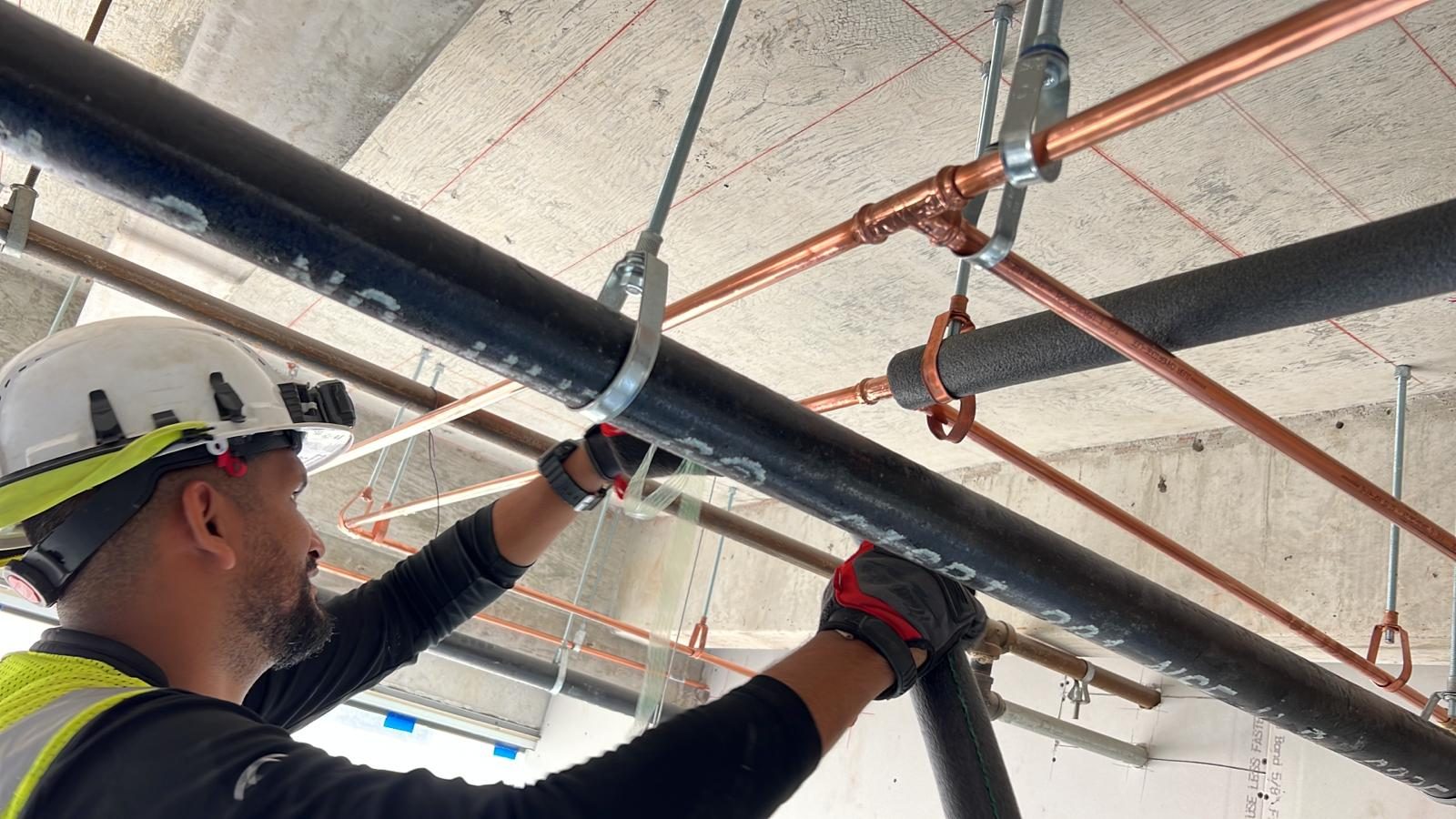
Visible and Hidden Leaks
Water Leak Repair in Plantation, FL
Address unexplained moisture, dripping pipes, or signs of a hidden plumbing leak. Get a Free Estimate
Visible and Hidden Leaks
Address unexplained moisture, dripping pipes, or signs of a hidden plumbing leak. Get a Free Estimate
Not every plumbing leak starts with a dramatic burst. A loose connection, worn fitting, cracked pipe, or damaged supply line can release small amounts of water over time. The first signs may be a damp cabinet, discoloration on a ceiling, a musty smell, or an unexpected change in water use. Water leak repair starts by determining whether the moisture comes from the plumbing and identifying the source before choosing a repair.
Leaks should not be ignored simply because the water flow seems small. Continued moisture can damage building materials and encourage mold growth when affected areas remain damp. If the leak is active, isolate the relevant supply if safe and arrange an assessment. When the source is not obvious, avoid opening large sections of a wall or floor without first establishing a reasonable repair plan.
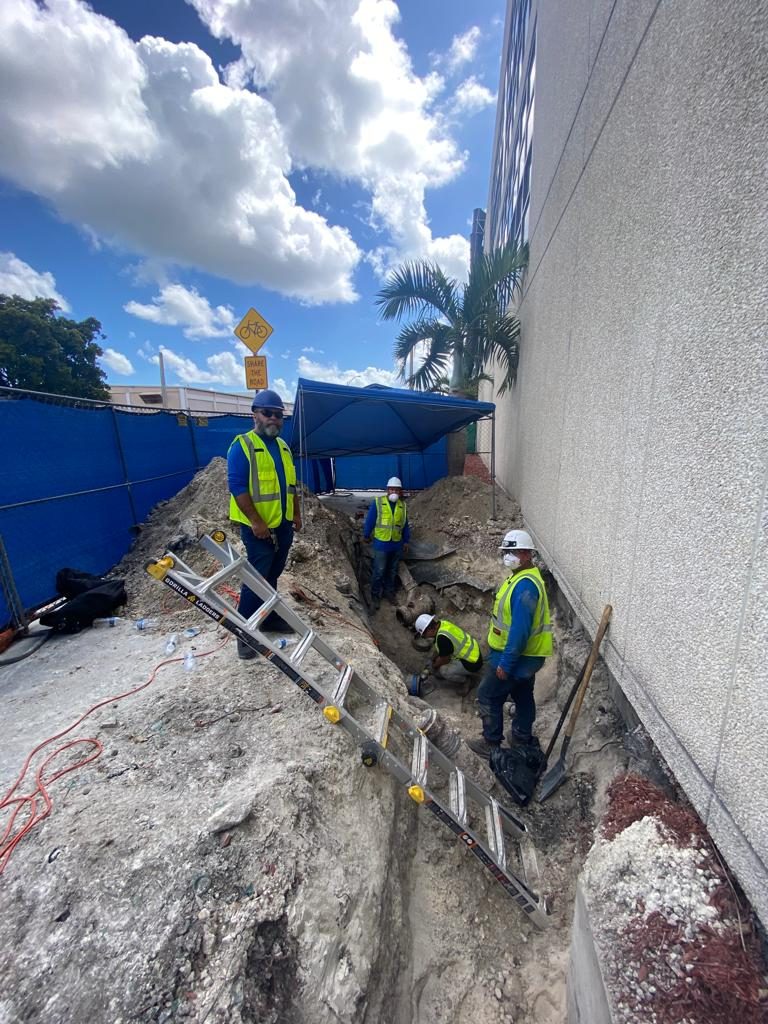
Water can escape from several parts of a plumbing system, and each location requires a different approach. The inspection should distinguish a plumbing leak from roof intrusion, condensation, appliance discharge, or other sources of moisture.
Connections beneath sinks, behind toilets, and near appliances can develop leaks as fittings deteriorate or connections fail. The surrounding area should be checked for water damage, and the connection should be repaired or replaced as appropriate. A visible drip can sometimes be only one sign of a larger issue.
A leak behind a wall or above a ceiling can remain concealed until moisture becomes visible. Water stains, bubbling paint, damaged drywall, and persistent musty odors may indicate a problem. Inspection should focus on finding the source while limiting unnecessary damage to finished surfaces.
An unexplained increase in water use or a meter that moves while fixtures are off can indicate a leak, although other factors may need to be ruled out. A systematic assessment helps determine whether the issue involves a fixture, an appliance connection, a concealed pipe, or an underground supply line.
Fixing the plumbing source is only part of addressing a leak. Wet insulation, drywall, flooring, and cabinetry may need drying, assessment, or replacement. Plumbing repairs and water-damage restoration are separate tasks unless a service agreement specifically includes both.
| Service | Estimated Cost | Average |
|---|---|---|
| Visible connection repair | Estimate required | Depends on parts and access |
| Hidden leak investigation | Estimate required | Depends on diagnostic work |
| Concealed pipe repair | Estimate required | Depends on access and restoration |
No verified pricing has been supplied. The final amount depends on the source, diagnostic needs, materials, access, and any necessary wall, floor, or cabinet work. Request a written estimate that separates plumbing repairs from restoration.

Water can travel through building materials before appearing in another location. Finding the source helps prevent incomplete repairs.
A leaking fitting, concealed pipe, and underground line are different problems. The proposed solution should match the actual cause.
Customers should understand whether the plumbing repair is complete and whether damp building materials need further attention.
A small leak can cause lasting damage. Share what you have noticed and where the moisture appears.
Free — no obligations
Explain where moisture appears, when it started, and whether water use or pressure has changed.
Assess the relevant plumbing and determine whether additional leak-location work is needed.
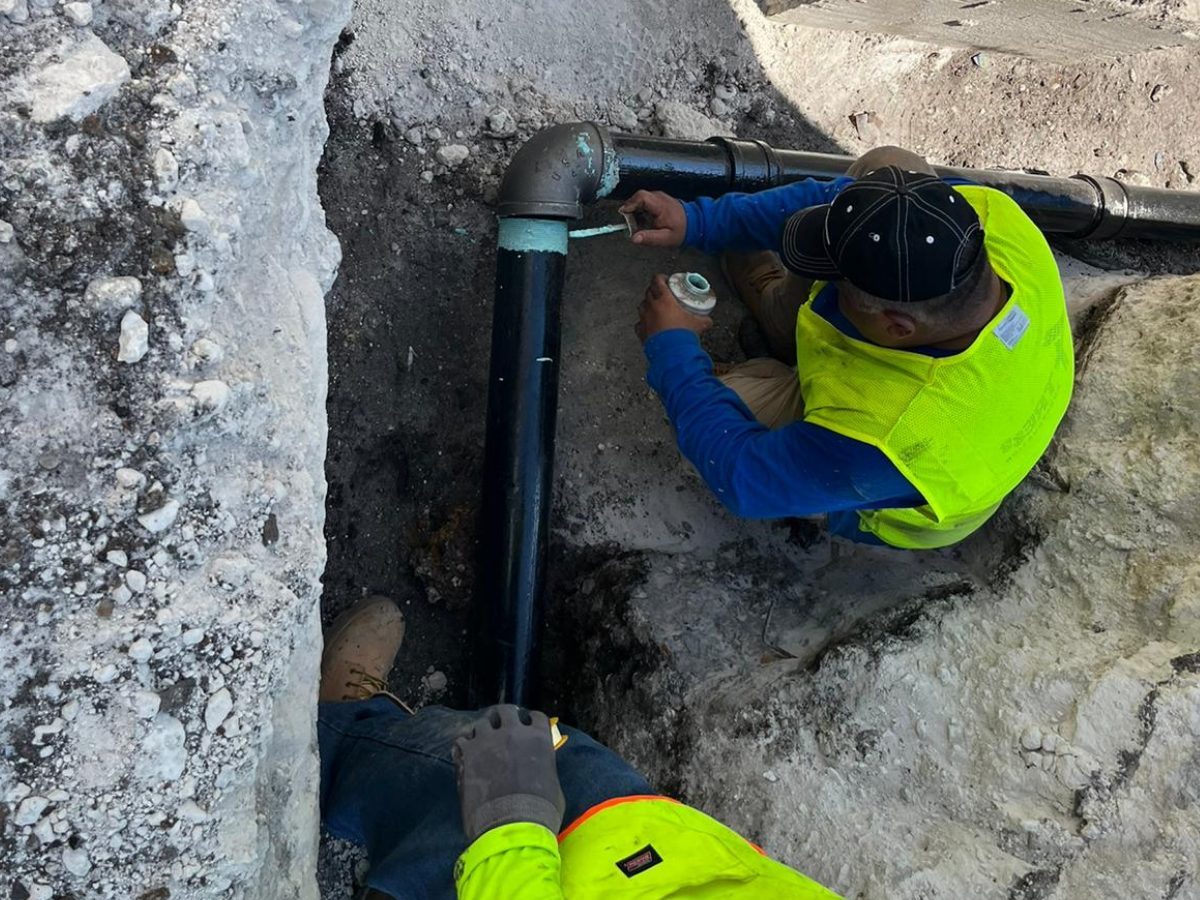
Discuss the damaged component, required materials, access needs, and expected cost.
Inspect the repaired plumbing for leakage and identify any separate moisture-management work.