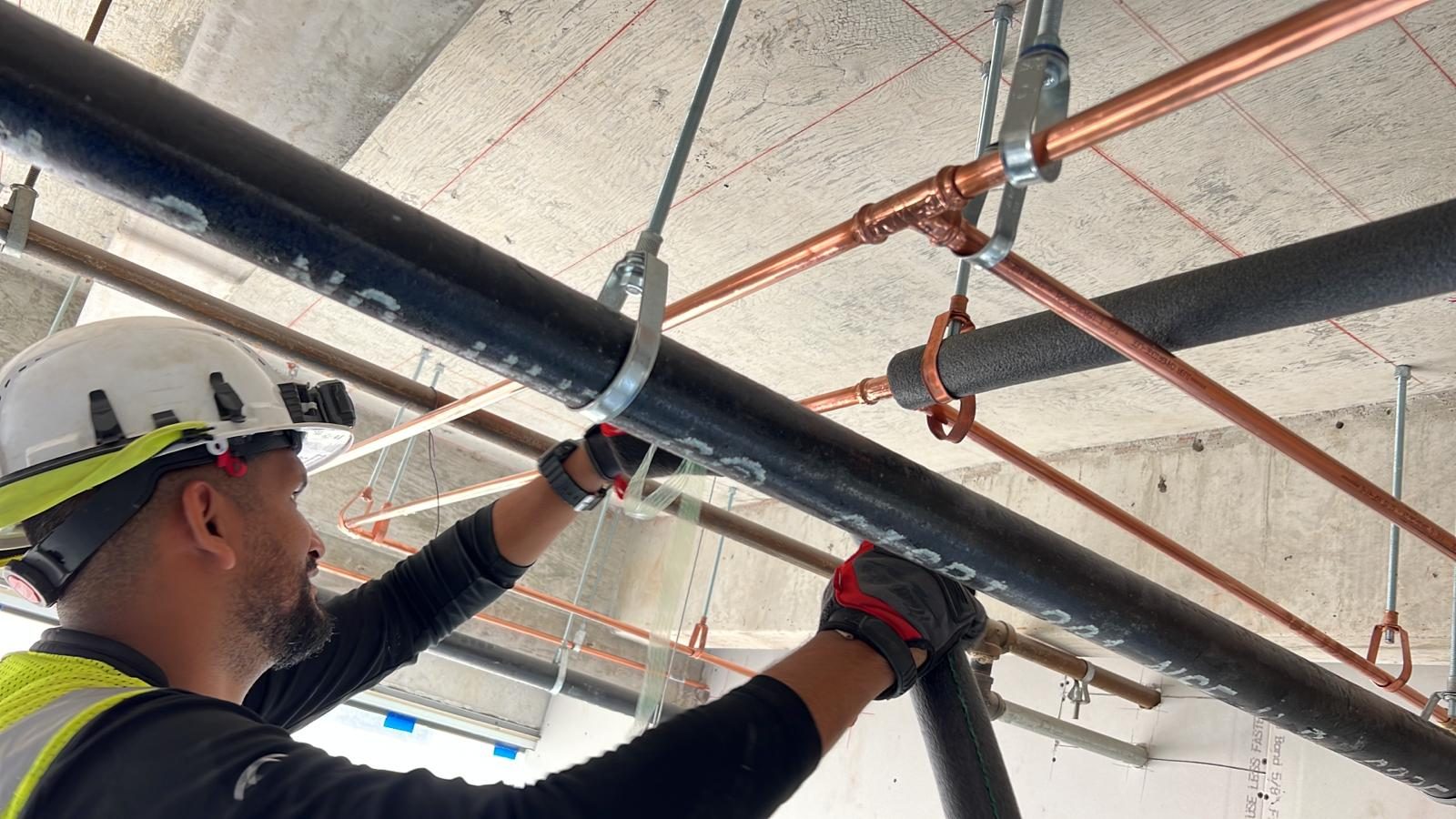
Damaged Water Supply Lines
Water Line Break Repair in Plantation, FL
Investigate unusual water loss, wet areas, or a damaged supply line. Get a Free Estimate
Damaged Water Supply Lines
Investigate unusual water loss, wet areas, or a damaged supply line. Get a Free Estimate
A broken water line can affect the supply entering a property or a section of plumbing serving the building. Signs may include a sudden loss of pressure, unexpected wet ground, water collecting near the foundation, or a water meter that continues moving when fixtures are not in use. The location and type of the line determine the appropriate inspection and repair method.
A supply line break may occur underground, inside a building, or near a connection point. The visible symptoms do not always identify the exact failure location, so a careful assessment is important before excavation or replacement begins. If water is actively escaping, shut off the supply when safe and explain the symptoms when requesting assistance.
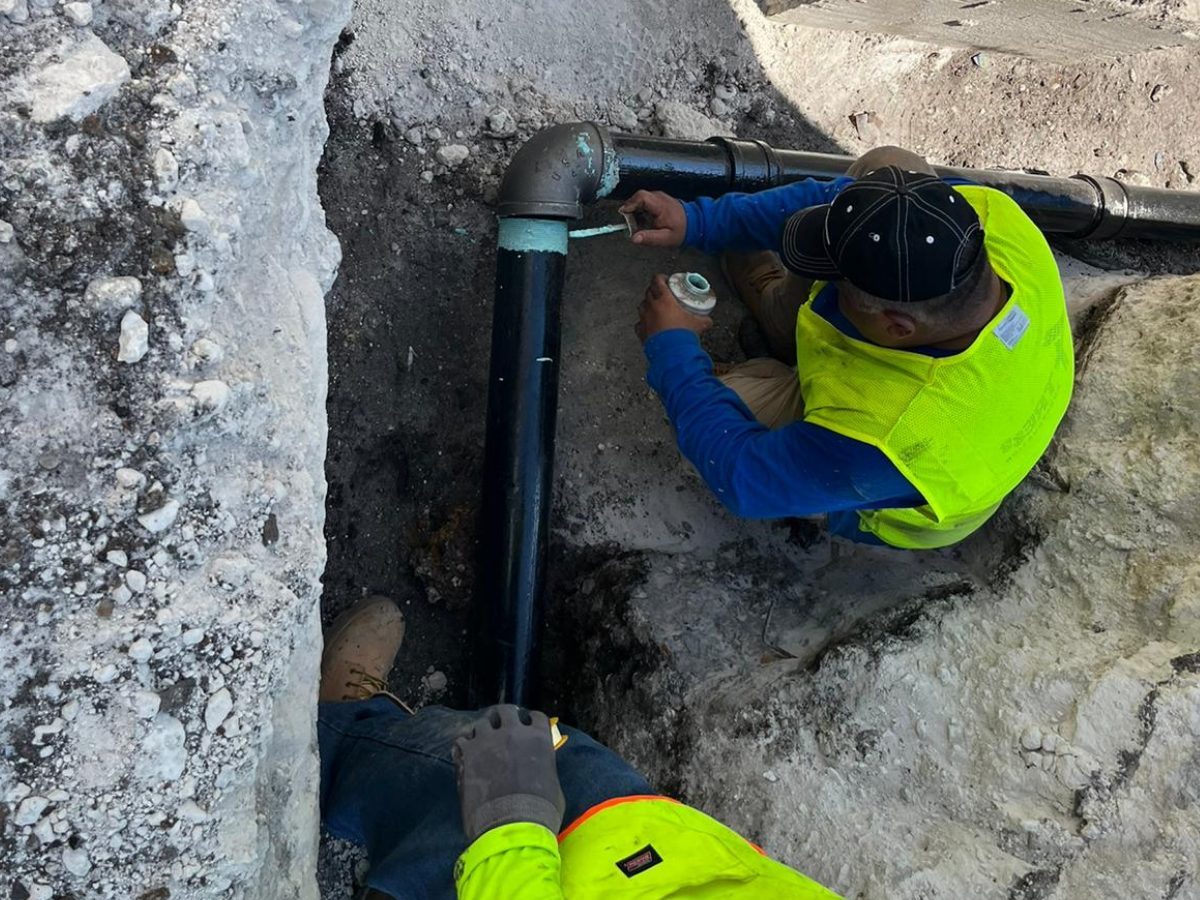
Water line repair begins by determining which part of the supply system is affected and narrowing down the likely location of the failure. The repair plan should account for line material, depth or accessibility, surrounding utilities, property surfaces, and any applicable local requirements.
Underground leaks can create wet patches, soft soil, unexpected pooling, or water loss that is difficult to explain. These signs are not conclusive on their own, and irrigation or drainage problems may produce similar symptoms. The source should be identified before digging so that repair work is targeted.
A break near the point where a water line enters a building can affect water pressure or cause water to collect around the entry area. Inspection should consider the pipe, shutoff valve, fittings, and surrounding materials. The appropriate repair depends on the condition of the line and the exact failure point.
Reduced pressure or inconsistent supply can indicate a leak, but other causes may include a valve issue, a blockage, or a problem with the wider supply. A professional assessment helps distinguish a damaged line from other plumbing concerns before replacement is recommended.
Repairing a buried or concealed line may require access through soil, paving, landscaping, or finished building surfaces. The estimate should clarify which excavation, backfilling, and restoration tasks are included. Separate contractors may be needed for certain surfaces or landscaping.
| Service | Estimated Cost | Average |
|---|---|---|
| Accessible supply line repair | Estimate required | Depends on materials |
| Underground line repair | Estimate required | Depends on depth and access |
| Excavation and restoration | Confirm project scope | Depends on affected surfaces |
Actual pricing depends on the line location, excavation needs, material, access, and restoration. These are service categories rather than verified prices. Ask for a written scope that identifies what is included.
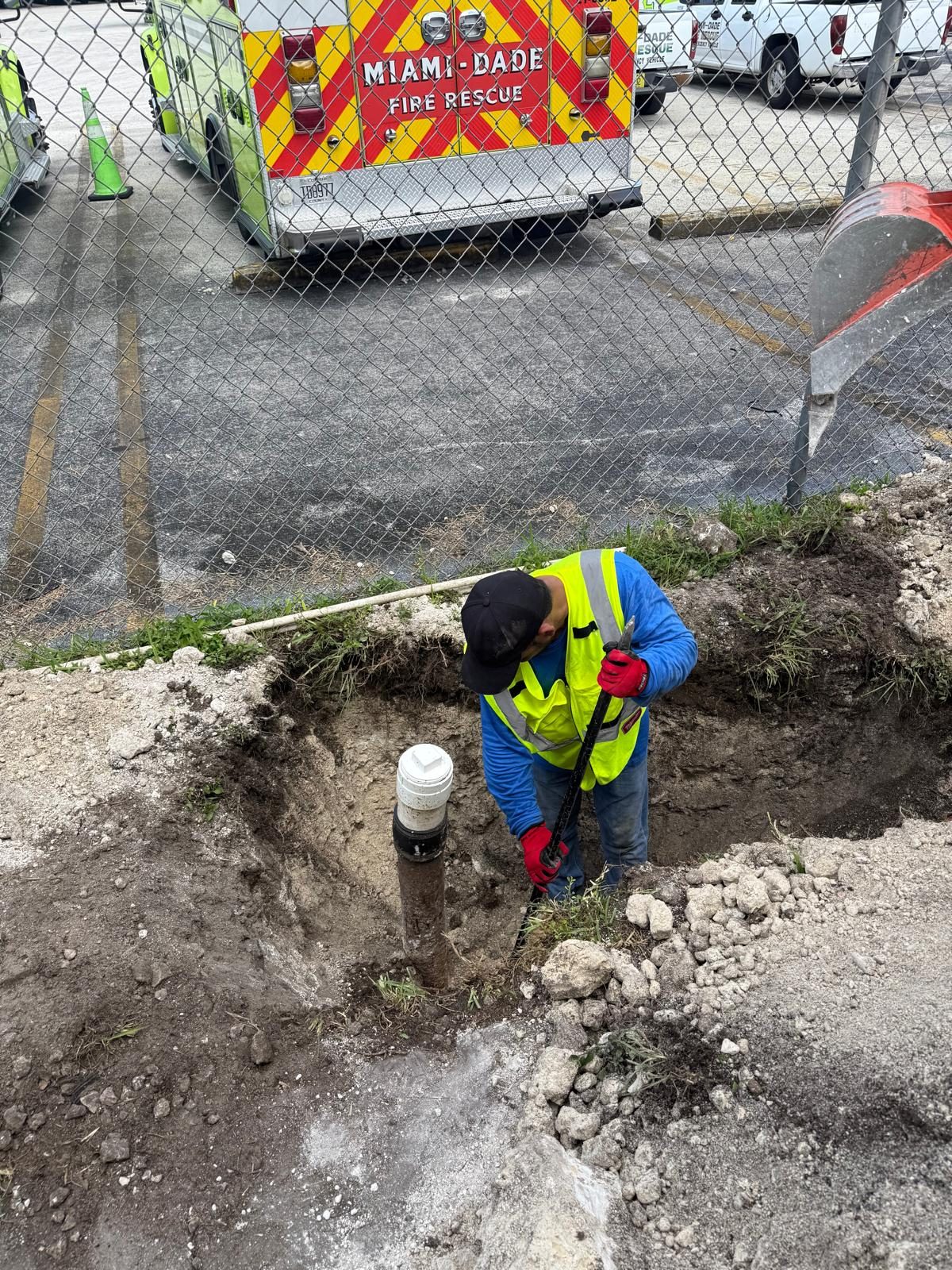
Establishing whether the problem is in the incoming supply, an underground line, or internal plumbing helps determine the right repair.
The likely leak location should be investigated before intrusive work begins whenever practical and safe.
Buried lines and concealed connections can involve landscaping, paving, and finished surfaces. The repair plan should explain access and restoration requirements.
Describe the location of the water loss and any changes in pressure so the problem can be assessed.
Free — no obligations
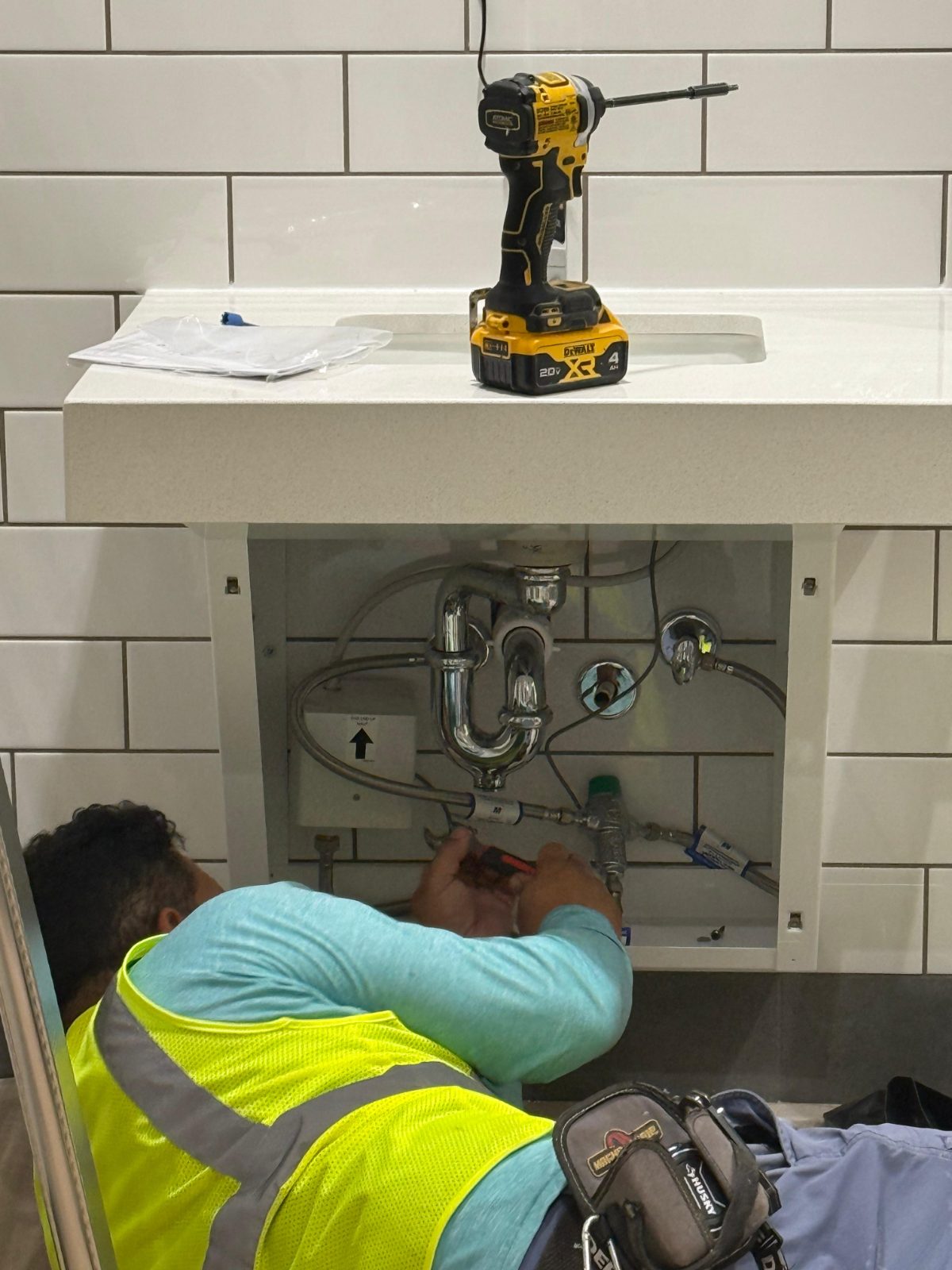
Report water loss, pressure changes, wet ground, pooling, or any visible damage to the supply line.
Determine which line is affected and identify the likely failure location and access requirements.
Discuss the proposed repair, materials, excavation if needed, and any restoration or permitting considerations.
Complete the agreed work and check the affected supply line for leaks and appropriate operation.